Search This Blog

Showing posts with label Tokina. Show all posts

Friday, 13 January 2012

Kenko (Tokina) display cool little 400mm mirror lens at CES - PLEASE be good!!


Kenko/Tokina displayed a new T-mount 400mm F/8 mirror lens at the 2012 international CES that looks very interesting! The aperture is pretty slow but this helps the lens to be very compact and from looking at photos of the lens attached to a camera it looks small even by mirror lens standards and could possibly be the smallest 400mm lens I've ever seen! Having a T-mount this lens will be adaptable to just about any camera you can think of but will it deliver anywhere like decent IQ?

It seems a lot of people relying on google translate have come to the incorrect conclusion that the T-mount to Micro 43 and T-mount to NEX adapters were the big story when obviously the lens is the big deal! Likewise the $200-250 price estimate applies to the lens and not just the adapter! There is no current release date although it looks like they are aiming to have it on the market some time this year.

I'm very interested by this lens so hopefully it will perform quite well optically but I wont get my hopes up, there are some great mirror lenses out there but not many!


Photobucket

Photo from DC.Watch

Thursday, 20 October 2011

Tokina RMC 28mm F/2.8


I've been updating more frequently but it's been a while since there has been a lens review so without further ado here is a review of the Tokina RMC 28mm F/2.8. In my last entry I was somewhat critical of the SLRmagic 28mm lens which costs £100 so let's see how this legacy lens does bearing in mind that if you're lucky you can drop a zero off the price of the SLRmagic lens!


Build quality and finish:

Perfect pretty much, it's not a Leica but it's solid, well damped and feels like it will never break, you can't really ask for more from a lens in this class. Tokina have always had a reputation for build quality which persists today with their modern AF lenses.


Image Quality:

The lens puts in a very decent performance with great central sharpness at F/2.8 which does fall off somewhat at the boarders but not too much. Once the lens is stopped down to F.5.6-F/8 there is impressive sharpness across the image frame. The lens gives very nice saturated colours and contrast is good and punchy as well. Bokeh whilst not the first thing on people's minds with such a lens is commendably smooth for such a lens and certainly doesn't spoil a picture when it rears it's head!


Porthcawl harbour

Porthcawl harbour

Ogmore Vale

Bristol Balloon Fiesta 2010

Porthcawl

Porthcawl

Porthcawl


Conclusion?:

This is a great inexpensive lens that is well made and gives nice punchy images. If you shop around you can get it for very little money although they are starting to creep up in price. If you have trouble finding one then look out for rebranded versions of the same lens, the Mitsuki 28mm F/2.8 for example is the exact same lens except it has an auto/manual switch!


Wednesday, 3 November 2010

Tuesday, 2 November 2010

Tokina SZ-X SD 28-105mm F/4-5.3 F4-5.3


Because I was impressed by the overall performance of it's smaller brother I decided to try out the Tokina SZ-X SD 28-105mm F/4-5.3 to see if it could deliver a similar performance over a more versatile focal range (albeit with slightly slower maximum apertures)


Build quality and finish:

A similar story to the 28-70mm, this lens has a lot of metal and an overall solid feel. This lens is a push/pull design as opposed to the traditional 2 touch design of the smaller 28-70mm but otherwise has a very similar finish.

Image Quality:

And once again a similar story, very similar!. Wide open we have decent central resolution at the wide end and decent resolution across the frame at the long end. Stopped down to F8 produces razor sharp results ideal for landscapes. Because of the relatively slow maximum apertures bokeh is not a consideration all too often but when coaxed into producing it the lens shows a relatively smooth performance for an older zoom lens, one benefit of the slow apertures is that axial chromatic aberrations (sometimes referred to as bokeh CA) is extremely well controlled. That just leaves colour and contrast, both excellent across the aperture range!

By clicking on these images you can go to flickr where a larger version is available:


Tokina SZ-X SD 28-105mm F/4-5.3 F4-5.3

Tokina SZ-X SD 28-105mm F/4-5.3 F4-5.3

Tokina SZ-X SD 28-105mm F/4-5.3 F4-5.3

Tokina SZ-X SD 28-105mm F/4-5.3 F4-5.3

Tokina SZ-X SD 28-105mm F/4-5.3 F4-5.3

Tokina SZ-X SD 28-105mm F/4-5.3 F4-5.3

Tokina SZ-X SD 28-105mm F/4-5.3 F4-5.3

Tokina SZ-X SD 28-105mm F/4-5.3 F4-5.3

Tokina SZ-X SD 28-105mm F/4-5.3 F4-5.3


a


Conclusion?:

It has to be another recommendation, apart from low light work where the slow maximum apertures would be a disadvantage this is a great all rounder and puts in a  decent optical performance, best of all people are practically giving them away, go and buy one!


Sunday, 3 October 2010

Tokina 28-70mm f/3.5-4.5 SZ-X270 SD


Build quality and finish:

There is nothing lacking here, the lens is mostly metal and has smooth focus and zoom rings. Overall construction is very good considering this was not a top of the line lens, the only possible criticism is that there is no internal focus mechanism so using a polarizer filter can be tricky as the front element rotates during focusing but this is not unusual for an older zoom, especially one that was modestly priced.

Image Quality:

In short; great! The lens has superb colours, almost too saturated sometimes! In terms of sharpness the centre of the frame is pretty good at 28mm wide open and stopped down to F/8 is sharp across the frame, just as sharp as most of my 28mm primes! Wide open at 70mm sharpness is already very decent across the frame and is superb at F/5.6. Contrast never seems to be lacking and even the bokeh is smooth in most situations although at 28mm with close backgrounds it can be understandably busy. Overall I was impressed by the results from this lens, it's best stopped down at the wide end which I tend to do with most lenses as I usually do landscape work at wide angles and at 70mm it's really very good wide open so can be useful for portraits. The lens has a macro mode and while it doesn't allow for a huge magnification it's worth noting that sharpness remains decent even at or near the minimum focusing distance.

By clicking on these images you can go to flickr where a larger version is available:


Tokina 28-70mm f/3.5-4.5 SZ-X270 SD

Tokina 28-70mm f/3.5-4.5 SZ-X270 SD

Tokina 28-70mm f/3.5-4.5 SZ-X270 SD

Tokina 28-70mm f/3.5-4.5 SZ-X270 SD

Tokina 28-70mm f/3.5-4.5 SZ-X270 SD

Tokina 28-70mm f/3.5-4.5 SZ-X270 SD

Tokina 28-70mm f/3.5-4.5 SZ-X270 SD

Tokina 28-70mm f/3.5-4.5 SZ-X270 SD


Conclusion?:

It's well made, light, has great image quality and a decent macro mode, the only thing I found lacking was a non rotating front element, this is another bargain lens that you can buy for a ridiculously small price and get great results from, I recommend it!


Monday, 11 January 2010

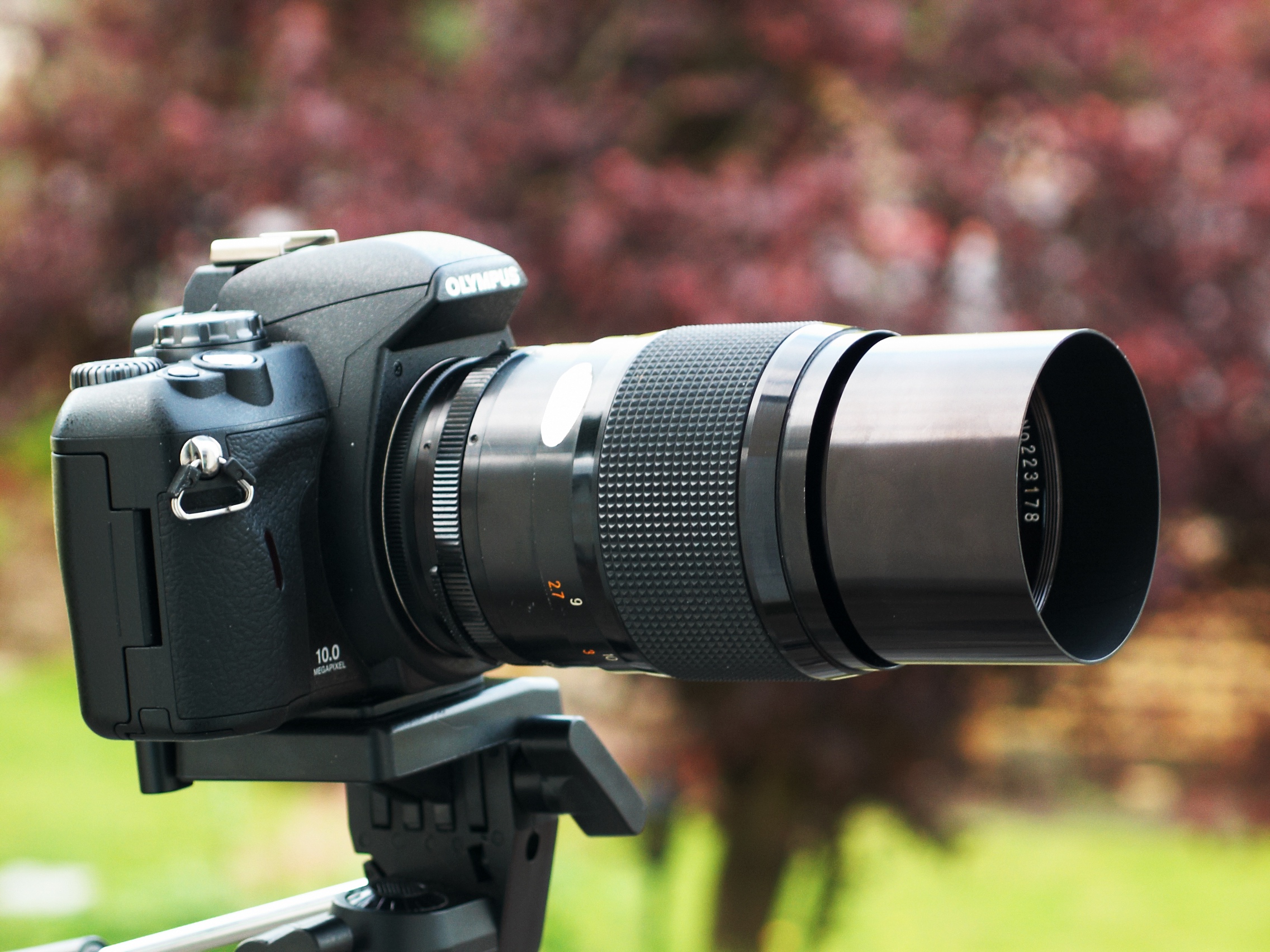
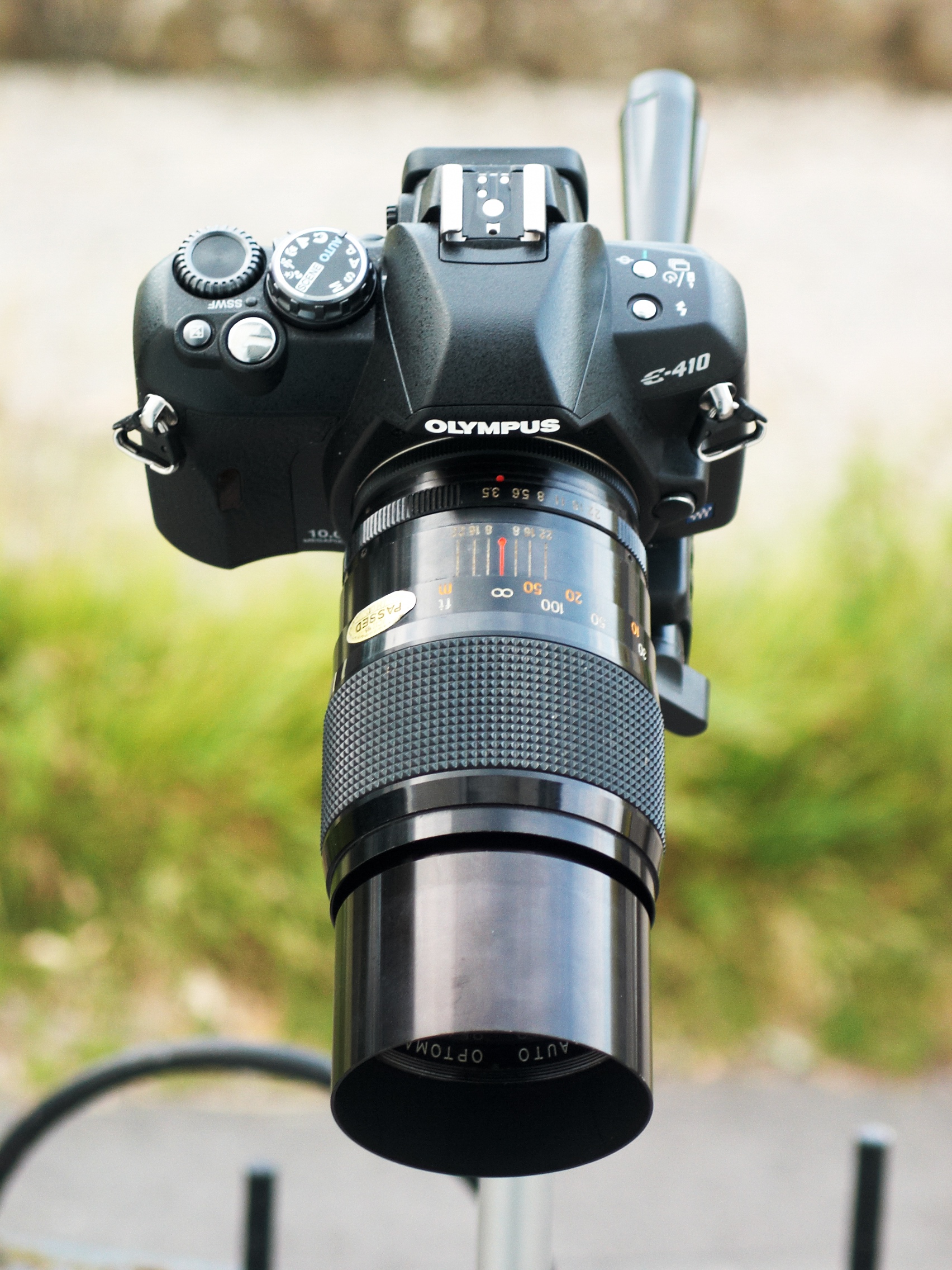
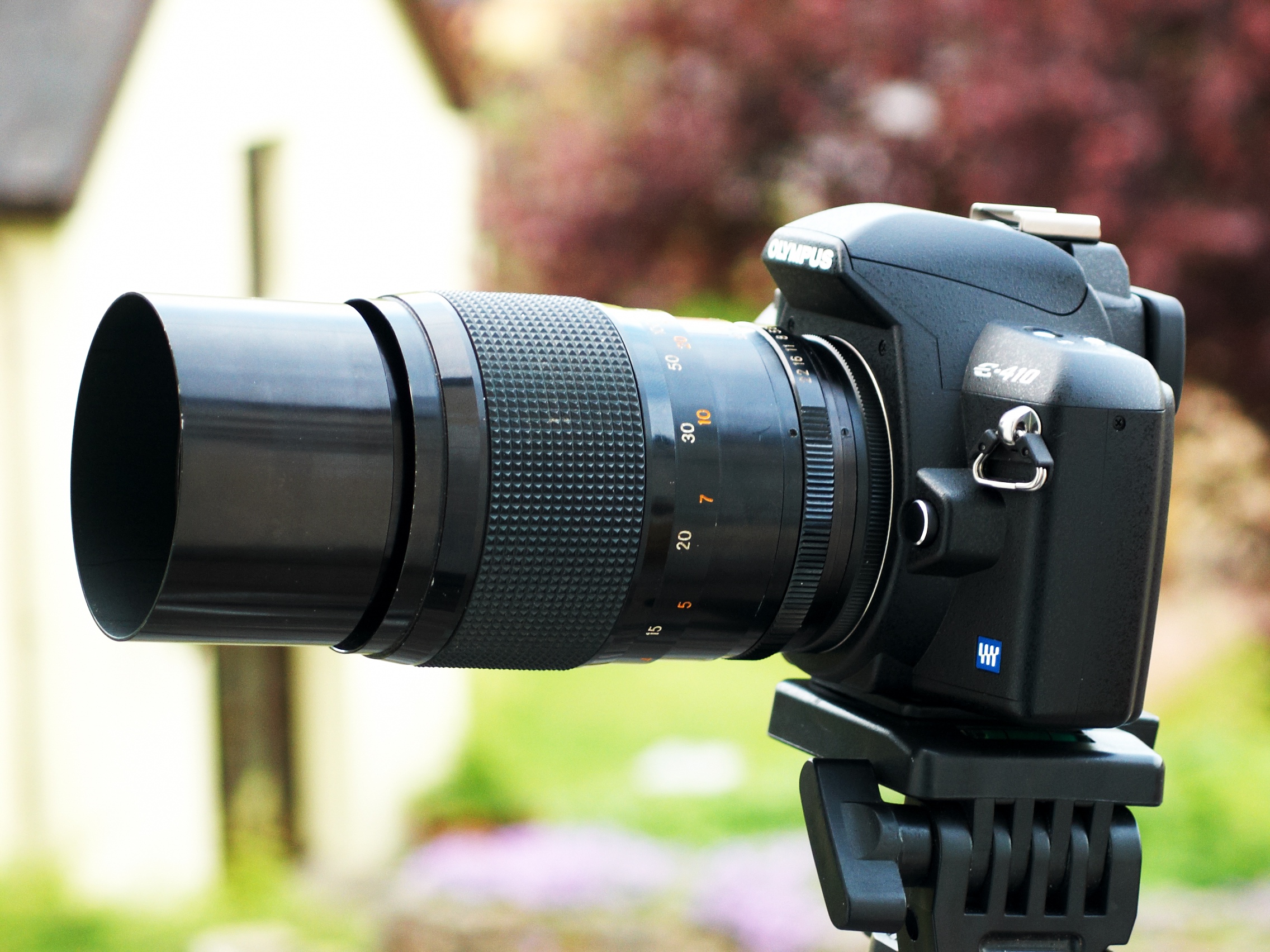
Optomax 200mm F/3.5 M42 (Around £5 from ebay)


This lens was one of the first manual focus lenses I bought and came as part of a job lot. Due to my lack of experience I expected a poor performance from this lens based on the brand because at the time I had no idea that many of the old manual focus brands were just importers and that this lens was likely to have been made by one of the major Japanese manufactures. In time I came to realise that the lens was probably made by Tokina and that there are Vivitar and Mamiya versions out there as well as others.


Build quality and finish

This is one solid hunk of lens and features a lot of metal in it's construction, the finish is an attractive but easily soiled satin effect and the rubber focus grip feels good and offers sound traction. The lens includes a sliding hood which while almost certainly not as effective as a separate hood offers at least some glare protection and is better than nothing, it's a nice little gift horse that should not be looked in the mouth. It all feels well screwed together and the focus and aperture mechanisms are positive and sturdy.


Optomax 200mm F/3.5

Optomax 200mm F/3.5

Optomax 200mm F/3.5


Image quality

This was a surprise for me because as I explained previously I was not expecting much in terms of image quality. The sharpness of this lens wide open was an eye opener, whilst it would be foolish to claim it is one of the sharpest I can comfortably say it is far from soft, there is certainly enough sharpness there to make using the lens wide open and entirely practical proposition. The lens does exhibit a small amount of colour fringing wide open but it is minor and easily corrected in software if necessary. I have to wonder how much of this is down to poor lens design and how much is due to the lens being far too old to be optimised for digital sensors. The colour and saturation are of a good standard and coupled with the decent level of sharpness on offer this lens is a pleasure to use and consistently returns decent results. The bokeh this lens produces is generally very smooth and compliments subjects well, I have no complaints in this department although I am known for having low standards in what is in my opinion a matter of personal taste.

I have to add that this lens has several patches of fungus around the perimeter of the front element along with what appears to be some residue possibly from internal lubricants leaking. I have yet to buy a decent lens spanner but when I do I will be able to easily clean the lens up and I would expect the image quality at the edge of the frame to improve somewhat.

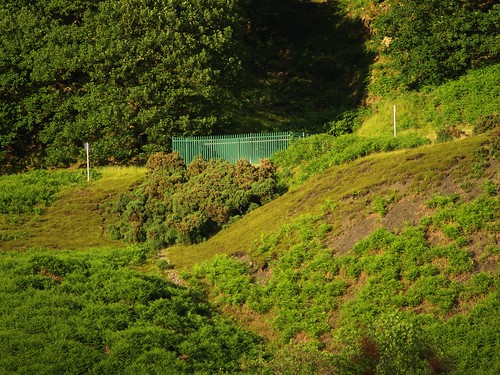
All of these samples are wide open:


Optomax 200mm F/3.5

Optomax 200mm F/3.5

Nantymoel from Ogmore Vale

You can click on the following two to see them at 100% size:

Optomax 200mm F/3.5

Nantymoel from Ogmore Vale


Conclusion

In conclusion I recommend this lens wholeheartedly, it has decent sharpness throughout the aperture range, good colour, good contrast, nice bokeh, it's well put together and it's nice to handle. It won't challenge a Canon L or a Carl Zeiss but it puts in a thoroughly decent performance so if you see one for a good price I suggest you snap it up and see if it's a good copy!

Friday, 1 January 2010

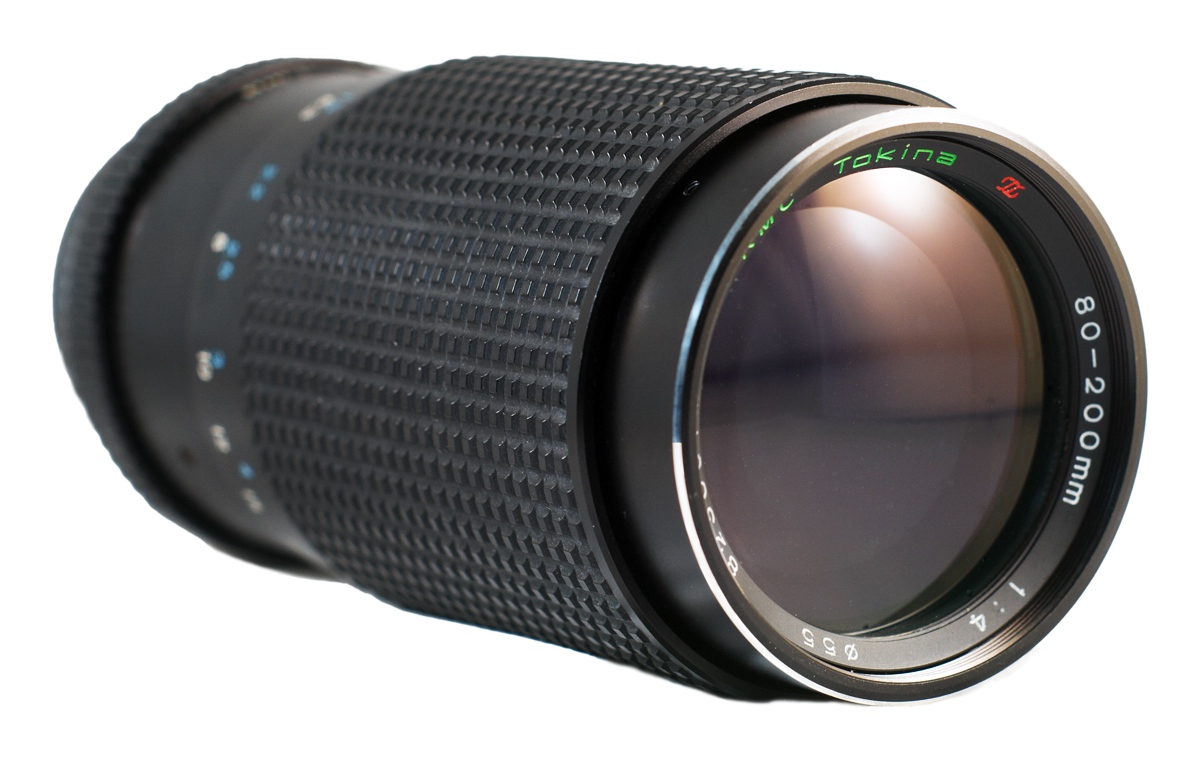
Tokina RMC 80-200mm F/4 (£6.99 from ebay)


This lens is as good a place to start as any!


First of all it's worth mentioning that during my travels of the various forums and websites on the net there seemed to be a general consensus that any zoom lens made before the late 80's/early 90's would be soft, plagued by low contrast, weak colours and extreme image defects such as flaring and colour fringing. The reasoning behind this was that technology at the time was simply not advanced enough to produce optically acceptable zoom lenses. In more recent years however, and after frequenting sites such as MFLENSES.COM it became apparent that this was far from the Truth! Indeed it seems that although there are some real stinkers around there is also a fair share of decent zoom lenses from the decades past.

The main negative issue I see with these lenses tends to be a small amount of colour fringing when the lens is wide open but nothing that cannot be corrected in software. What impresses me with the majority or lenses in the 70-200mm (give or take) arena from the 70's and 80's is that they seem to consistently produce sharper images at the long end of the zoom than modern equivalents can manage whilst usually having a usefully faster maximum aperture. I would even go as far as to say that almost all consumer grade zooms in this range available today will inevitably be soft at the long end especially wide open. I cannot believe that technology has taken a backwards step so I can only assume this is a deliberate measure taken my manufacturers in order to split lines into consumer and professional ranges. It is almost guaranteed that a modern zoom that ends at 200mm will have a F/5.6 aperture at best whereas older lenses always seem to be F/4 or better whilst delivering sharpness that is usually significantly better.


Get On With It!

Tokina RMC 80-200mm F/4

There is some confusion as to if the RMC in the name refers purely to the "rainbow multi coating" or if it signifies this lenses place in Tokina's range. Some have suggested that RMC is an in between grade with ATX being Tokina's best professional lenses and RMC being somewhere between this and the basic consumer models. Other people believe that RMC in it's self is not an indication the quality of the lens and refers purely to the lens coating and that both bad and good lenses have carried the RMC label.
 

Build quality and finish
 

In terms of pure quality and finish this lens seems very well put together, it is of the one touch style that was popular in the 80's and is very compact considering it's specification without feeling cheap or flimsy. For a lens that must be approaching at least 25 years of age the focus and zoom movement are very smooth and well damped. Aesthetically it is subtle but smart with the familiar green font and red logo on the retaining ring of the front element and a silver band at the end of the lens barrel.
 

Image quality

No need to waste any time here! The image quality is quite remarkable at all zoom settings and all aperture settings. Colours are strong but realistic, contrast is just about perfect and the sharpness had me constantly checking to make sure the lens really was wide open and the aperture hadn't stuck. The only weakness is a tendency to produce colour fringing in areas of extreme contrast but nothing that cannot be corrected swiftly in post processing.
 
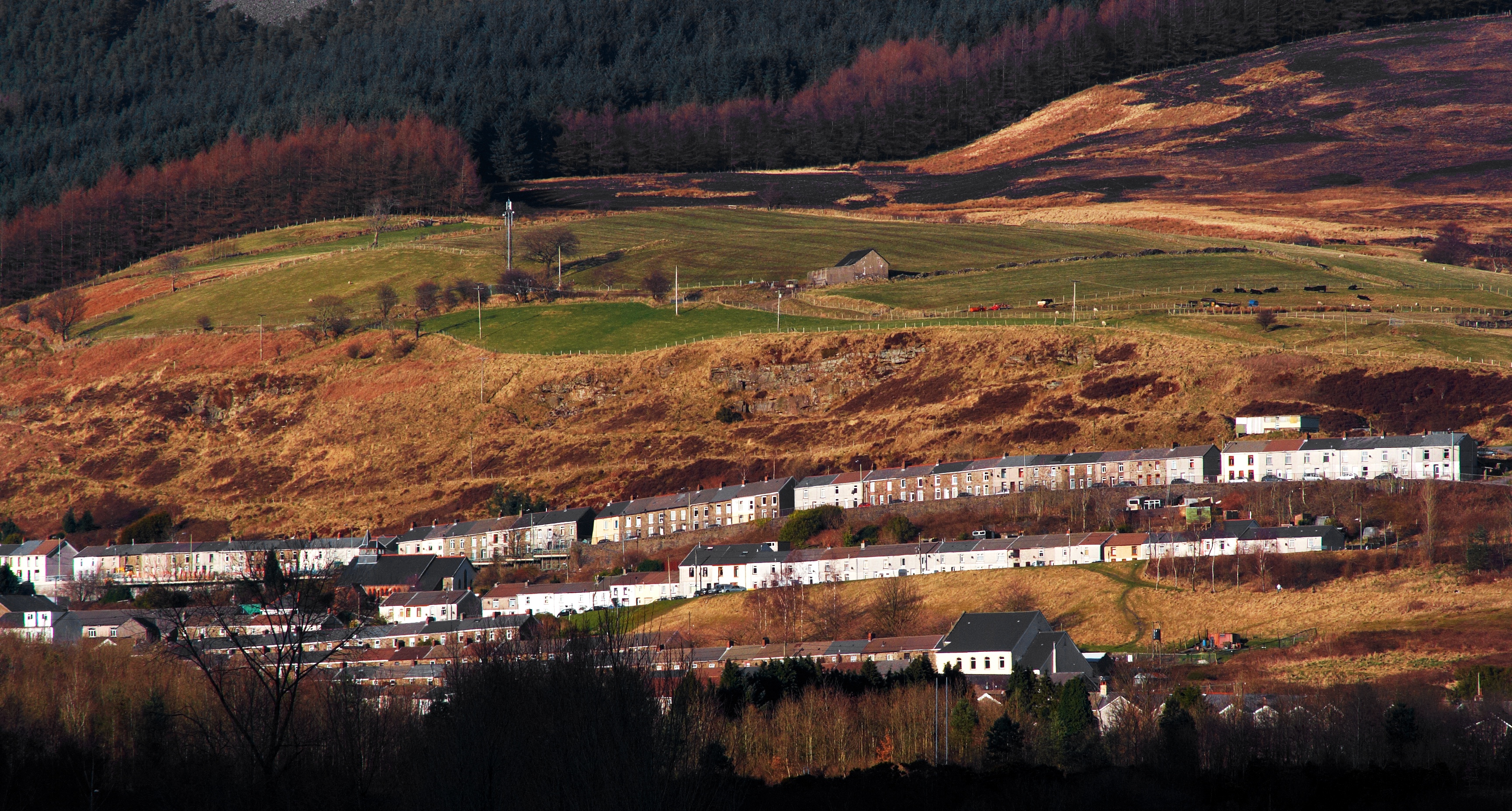
The samples below can be clicked on to view a full size versions so that you can judge the sharpness for yourself, these shots were taken with the lens wide open at 200mm. These images have had mild tweaks of the levels and saturation but the sharpness has not been altered in any way:
 

Tokina RMC 80-200mm F/4

Tokina RMC 80-200mm F/4


Conclusion

This lens can be bought for peanuts, it's well built and delivers amazingly strong images considering its age and compact size. The only negative quality I can see is a slight amount of colour fringing at wide apertures but certainly not enough to spoil the party. Overall I recommend this lens and I find it's superiority to modern consumer equivalents a real hoot, If you can do without autofocus this lens will give you a real step up in quality and it's not alone! In time I will show you models from Tamron, Vivitar, kiron and others that can all be had for similar money and exhibit similarly good performance!

Followers