Search This Blog

Showing posts with label PK. Show all posts

Saturday, 2 January 2010

Sun Optical 28mm F/2.5 (£6.51 from ebay)


I like Sun lenses, they were one of the few companies to make their own lenses in a time when many of the popular brands were just distributors putting their name on other companies designs. The company started off some time soon after the second world war rising from the ashes of the K.O.L lens company. They initially made lenses for the Leica screw mount and one of the appealing qualities of their lenses is that they continued to make lenses that were aesthetically pleasing in a time when other brands were becoming a sea of dull blackness. The company appears to have ceased the production of 35mm lenses in the late 80's but the company still seems to exist as a manufacturer of industrial lenses, on their website they claim to have began operating in the late 80's but had a past in the 35mm lens industry so there is surely a connection but how deep or shallow it is I have no idea.

On to the lens

Sun lenses always seem to have some sort of quirk or gimmick, be it the styling of the lens or some kind of function that makes it distinctive in some way compared to rivals and that is why they appeal to me as a collector. The slightly unusual aspect is of course the F/2.5 maximum aperture as opposed to the more usual F/2.8


Build quality and finish

This 28mm lens is in fact one of their later and more sober looking lenses although it still has a funky logo on the lens cap. It's well put together which seems to be a consistent trait of sun lens but optically it's a mixed bag..........Also a consistent trait!


Image quality

The main problem when the lens is wide open is a tendency to produce bloom in areas of contrast which can make focusing a difficult task, when you are very close to critical focus the bloom appears and gives the impression of softness so the lens almost looks sharper when it is just outside of perfect focus, you have to go against your instincts because if you try to set the focus ring at a point where the blooming is absent you will get a soft image.

The sharpness wide open is not bad in the centre but poor at the edges, unfortunately the edges don't really come up to scratch until F/8-F/11 but I find myself using this aperture a lot with wider angle lenses anyway. The lens also makes a fairly good portrait lens on my Olympus E-410 where it has a 56mm equivalent focal length, in this situation I can use the lens wide open because the subject is more often than not at the centre of the frame.

Where this optics strengths lay are no doubt in the colour and contrast department, there is a very appealing warmth and enthusiasm to the colours this lens produces and the contrast is gives a decent pop that almost makes up for the lack or resolution at wider apertures.

The bokeh is interesting in that it is very smooth wide open but at smaller apertures has a strange almost ring shaped appearance on highlights, almost like a mirror lens. I like it personally but then again I like mirror lens bokeh so I'm a Judas in any case!

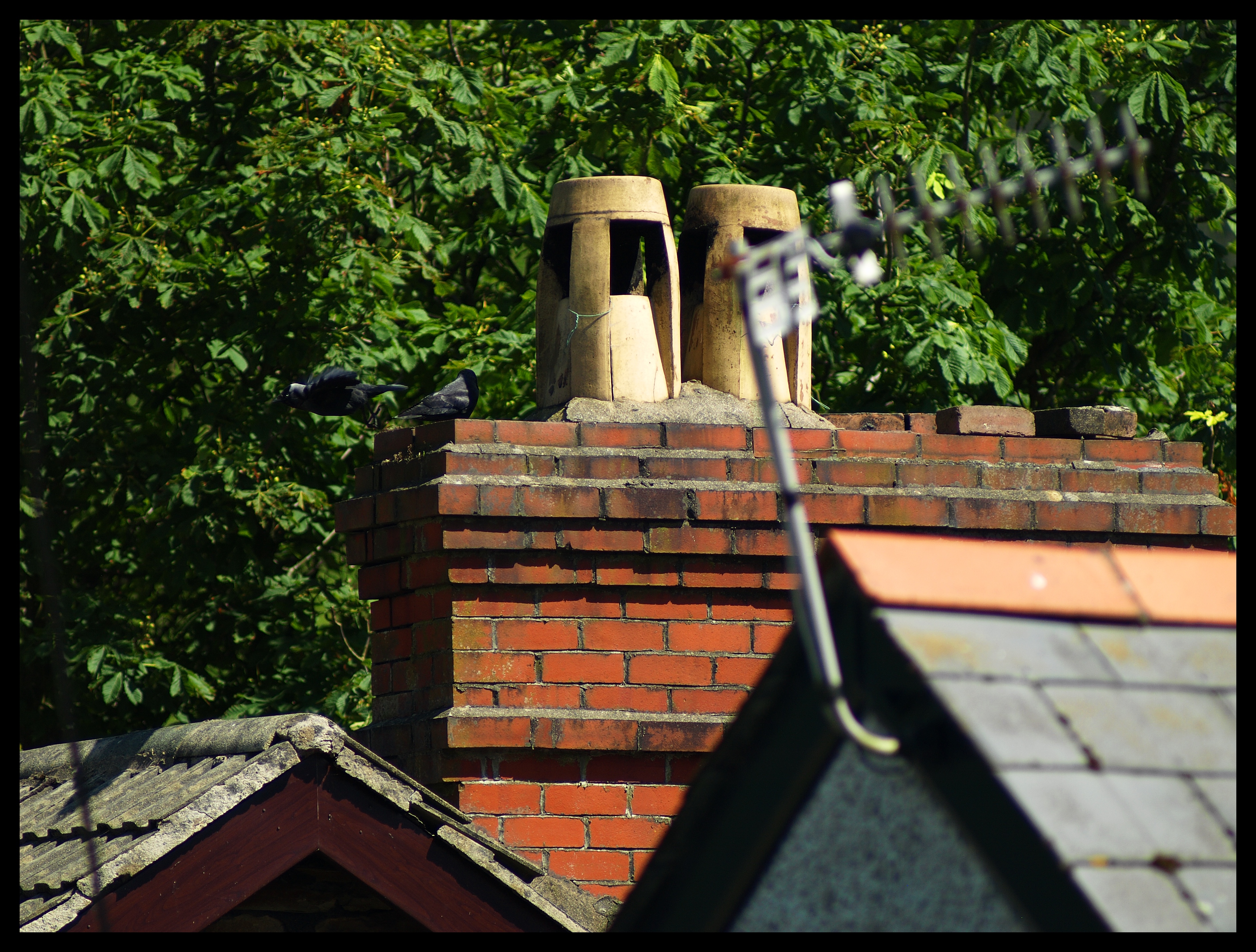
There follows some samples which can be clicked on to see a larger version.


This one was at F/2.5:

This one was taken at F/5.6:

This one is a stitch of two photos taken at F/5.6:


This one is F/5.6:


Conclusion

In conclusion I would have to say it's hard to recommended In general even if I am quite fond of it personally, it's optical performance is average and whilst it is strong in the colour and contrast departments it let's itself down in other areas. If I was not a fan of Sun lenses in general I would probably sell the lens on but there is just something about it that I cannot quite put my finger on. If you are in the market for a lens of this kind of spec and price I would recommend looking out for a Tokina RMC 28mm F/2.8 which is a class act in comparison and has much better edge performance and is acceptably sharp across the frame. Another option would be the Tamron adaptall 2 28mm F/2.5, it doesn't quite have the sharpness of the Tokina but it does have that same slightly faster maximum aperture as the sun lens but without the blooming.

Friday, 1 January 2010

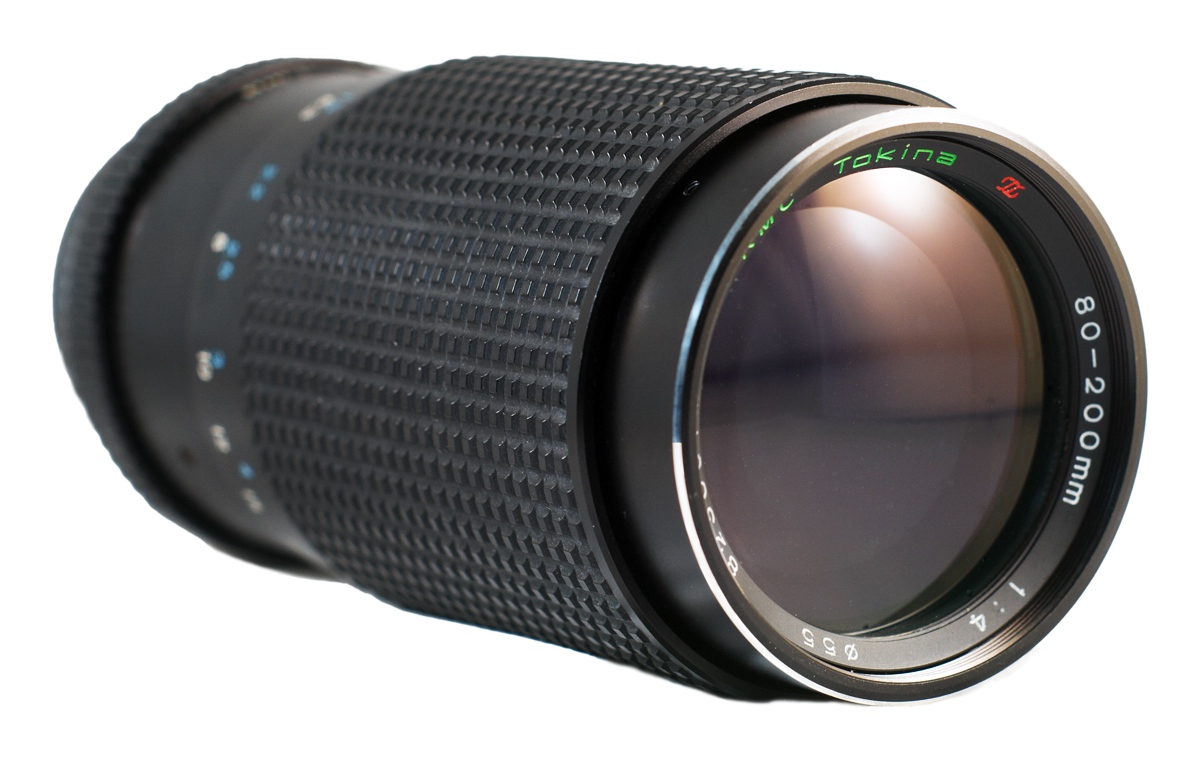
Tokina RMC 80-200mm F/4 (£6.99 from ebay)


This lens is as good a place to start as any!


First of all it's worth mentioning that during my travels of the various forums and websites on the net there seemed to be a general consensus that any zoom lens made before the late 80's/early 90's would be soft, plagued by low contrast, weak colours and extreme image defects such as flaring and colour fringing. The reasoning behind this was that technology at the time was simply not advanced enough to produce optically acceptable zoom lenses. In more recent years however, and after frequenting sites such as MFLENSES.COM it became apparent that this was far from the Truth! Indeed it seems that although there are some real stinkers around there is also a fair share of decent zoom lenses from the decades past.

The main negative issue I see with these lenses tends to be a small amount of colour fringing when the lens is wide open but nothing that cannot be corrected in software. What impresses me with the majority or lenses in the 70-200mm (give or take) arena from the 70's and 80's is that they seem to consistently produce sharper images at the long end of the zoom than modern equivalents can manage whilst usually having a usefully faster maximum aperture. I would even go as far as to say that almost all consumer grade zooms in this range available today will inevitably be soft at the long end especially wide open. I cannot believe that technology has taken a backwards step so I can only assume this is a deliberate measure taken my manufacturers in order to split lines into consumer and professional ranges. It is almost guaranteed that a modern zoom that ends at 200mm will have a F/5.6 aperture at best whereas older lenses always seem to be F/4 or better whilst delivering sharpness that is usually significantly better.


Get On With It!

Tokina RMC 80-200mm F/4

There is some confusion as to if the RMC in the name refers purely to the "rainbow multi coating" or if it signifies this lenses place in Tokina's range. Some have suggested that RMC is an in between grade with ATX being Tokina's best professional lenses and RMC being somewhere between this and the basic consumer models. Other people believe that RMC in it's self is not an indication the quality of the lens and refers purely to the lens coating and that both bad and good lenses have carried the RMC label.
 

Build quality and finish
 

In terms of pure quality and finish this lens seems very well put together, it is of the one touch style that was popular in the 80's and is very compact considering it's specification without feeling cheap or flimsy. For a lens that must be approaching at least 25 years of age the focus and zoom movement are very smooth and well damped. Aesthetically it is subtle but smart with the familiar green font and red logo on the retaining ring of the front element and a silver band at the end of the lens barrel.
 

Image quality

No need to waste any time here! The image quality is quite remarkable at all zoom settings and all aperture settings. Colours are strong but realistic, contrast is just about perfect and the sharpness had me constantly checking to make sure the lens really was wide open and the aperture hadn't stuck. The only weakness is a tendency to produce colour fringing in areas of extreme contrast but nothing that cannot be corrected swiftly in post processing.
 
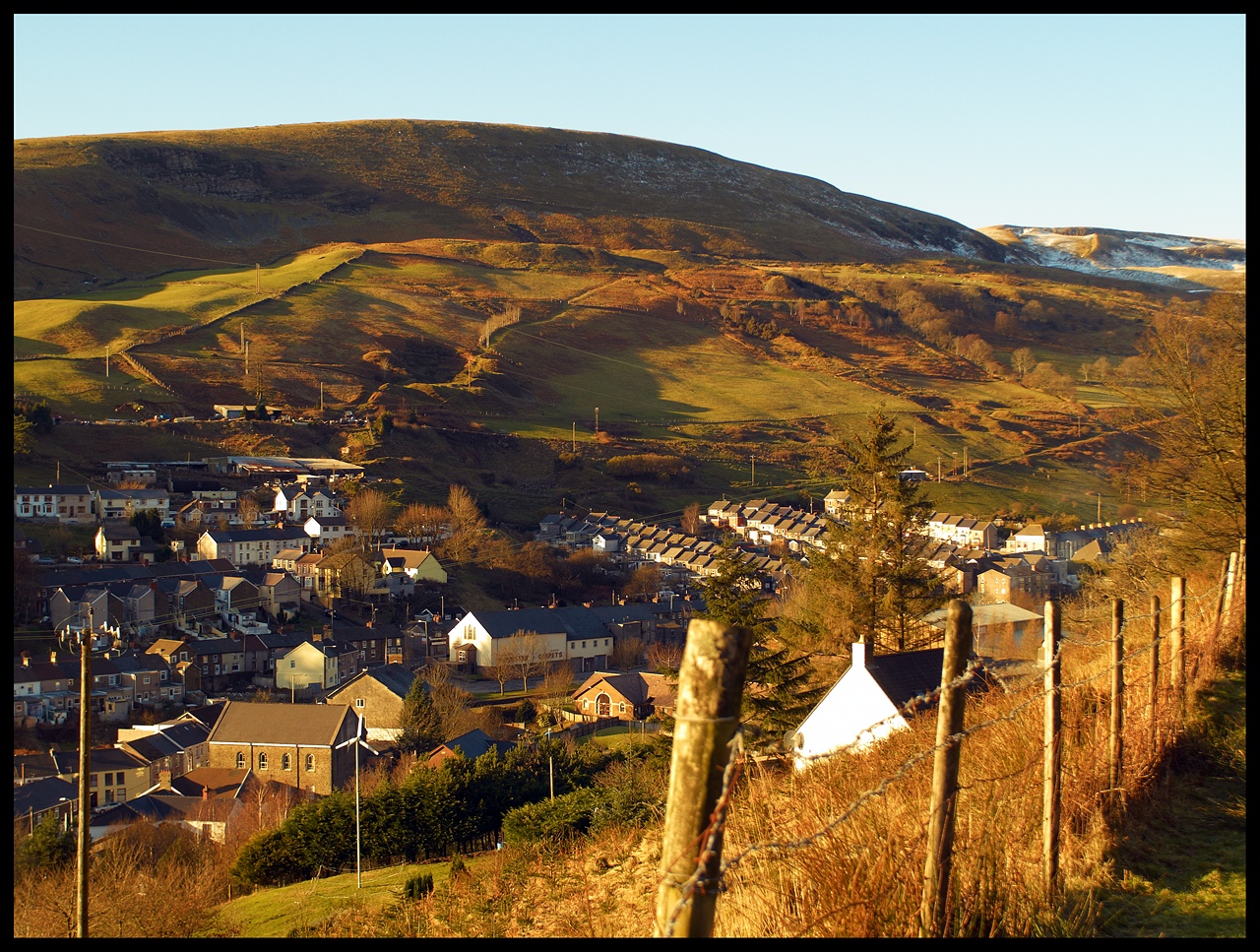
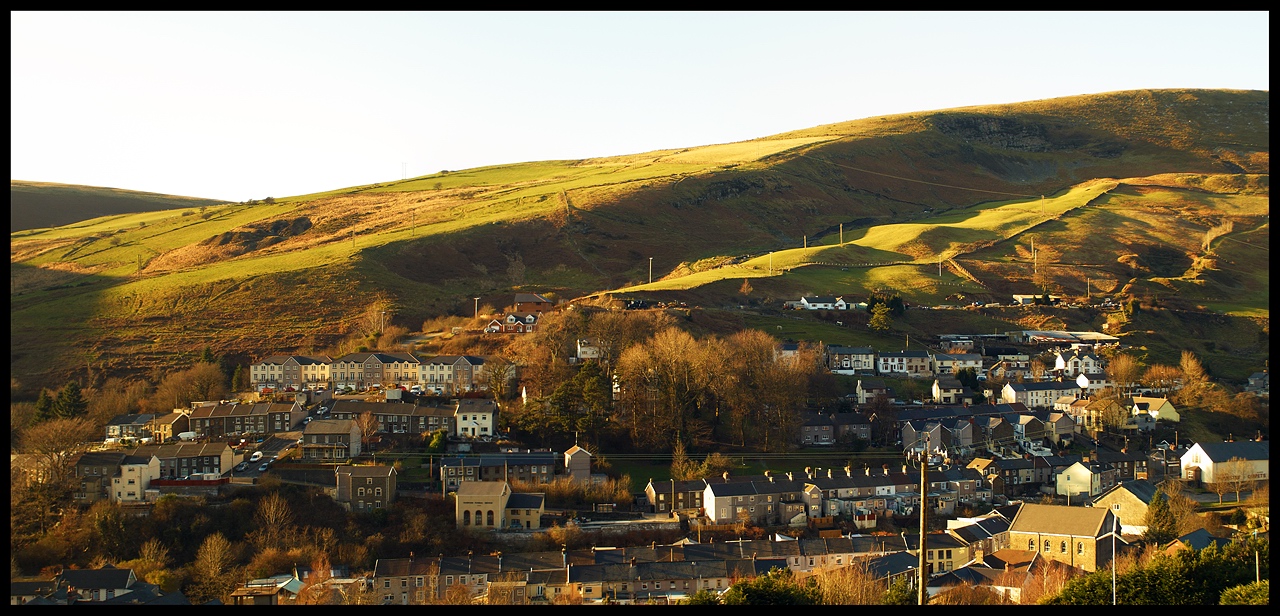
The samples below can be clicked on to view a full size versions so that you can judge the sharpness for yourself, these shots were taken with the lens wide open at 200mm. These images have had mild tweaks of the levels and saturation but the sharpness has not been altered in any way:
 

Tokina RMC 80-200mm F/4

Tokina RMC 80-200mm F/4


Conclusion

This lens can be bought for peanuts, it's well built and delivers amazingly strong images considering its age and compact size. The only negative quality I can see is a slight amount of colour fringing at wide apertures but certainly not enough to spoil the party. Overall I recommend this lens and I find it's superiority to modern consumer equivalents a real hoot, If you can do without autofocus this lens will give you a real step up in quality and it's not alone! In time I will show you models from Tamron, Vivitar, kiron and others that can all be had for similar money and exhibit similarly good performance!

Followers